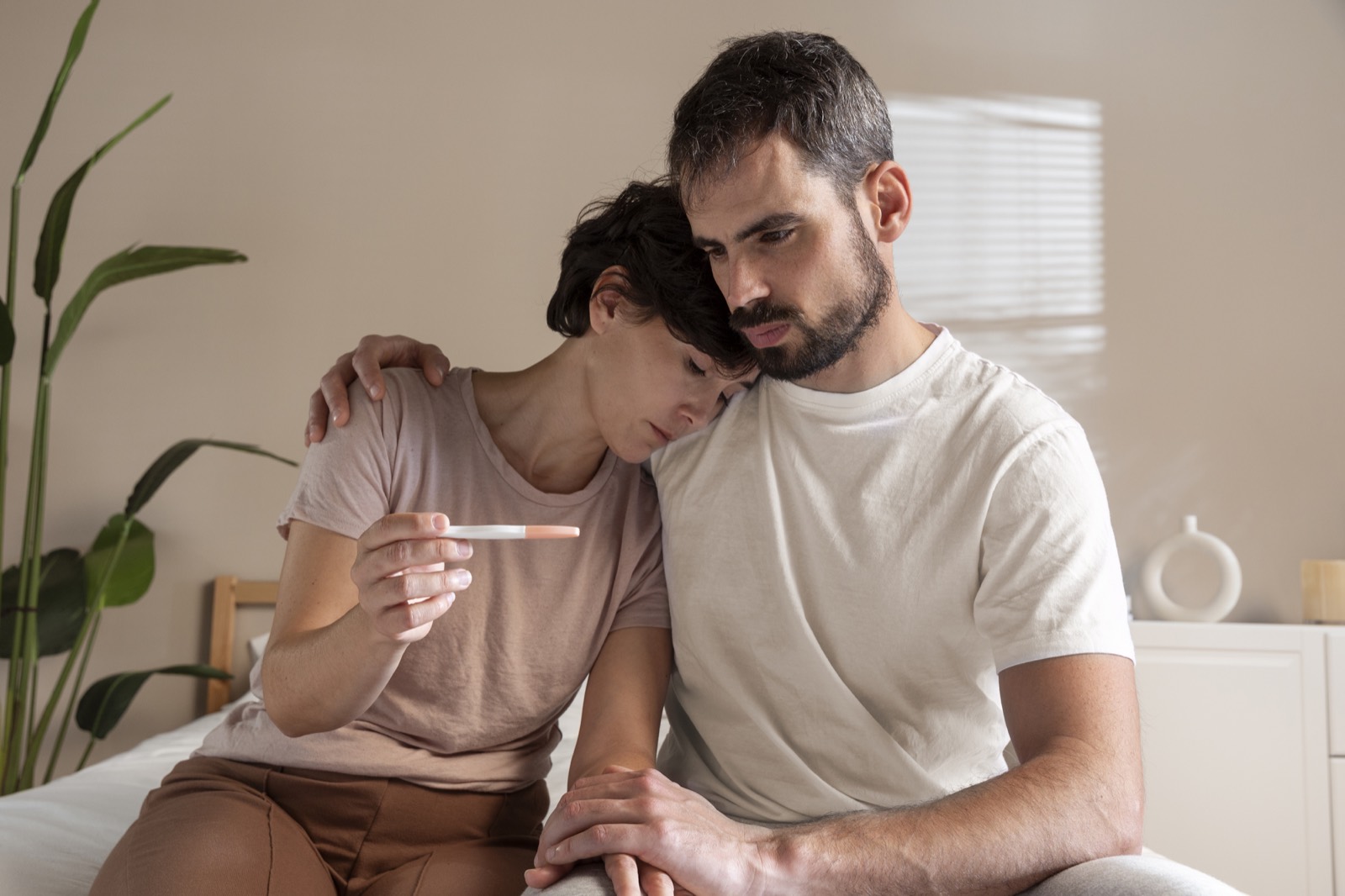
Infertility is more than a medical diagnosis. It is often an emotional odyssey, a monthly tide of hope and heartbreak that can leave couples feeling stranded on an island of uncertainty.
When pregnancy does not occur despite regular unprotected intercourse for 12 months, or 6 months if the woman is over 35, the question is not only, "What is wrong?" but also, "What is the body trying to say?"
Homeopathy approaches infertility as a story of the whole person, where hormones, emotional turmoils, stress, and constitutional tendencies all play a role in the body's readiness to conceive.
What Is Infertility?
Infertility may affect women, men, or both partners.
Common Female Factors
- Polycystic ovarian syndrome (PCOS/PMOS)
- Irregular or absent ovulation
- Endometriosis
- Thyroid dysfunction
- Blocked fallopian tubes
- Uterine fibroids
- Diminished ovarian reserve
- Recurrent miscarriages
Common Male Factors
- Low sperm count
- Poor motility
- Abnormal morphology
- Varicocele
- Hormonal imbalance
- Stress-related sperm changes
Unexplained Infertility
In many couples, all reports appear normal, yet conception remains elusive. Here, the subtle interplay of neuroendocrine, immune, and emotional factors often becomes especially relevant.
Symptoms and Signs Associated With Infertility
Infertility itself may have no obvious symptoms, but associated signs can include several patterns.
In Women
- Irregular or absent periods
- Painful menstruation
- Heavy bleeding
- Mid-cycle spotting
- Pelvic pain
- PMS and mood swings
- Recurrent pregnancy loss
In Men
- Erectile dysfunction
- Reduced libido
- Testicular discomfort
- Abnormal semen analysis
The Mind-Body Axis in Fertility
The reproductive system behaves like a finely tuned orchestra. The hypothalamus, pituitary, ovaries, testes, thyroid, adrenals, and immune system must perform in synchrony.
Chronic stress acts like a drummer who loses the beat.
Elevated cortisol and adrenaline can:
- Disrupt ovulation
- Alter sperm production
- Affect implantation
- Disturb thyroid function
- Increase inflammation
- Reduce sexual desire
The body may be biologically capable of conception, yet physiologically diverted into survival mode.
Psychodynamics of Infertility
From a psychodynamic perspective, infertility can reflect unconscious conflicts, unresolved grief, and emotional patterns that influence the body.
Common Themes
- Fear of responsibility or motherhood/fatherhood
- Ambivalence about parenting
- Pressure to perform
- Perfectionism and need for control
- History of loss or trauma
- Relationship tension
Internalized beliefs may include:
"I am not enough."
"My body is failing me."
"I must prove myself."
The womb and testes are not mechanical parts. They are deeply responsive to the emotional climate in which they function.
How Homeopathy Approaches Infertility
Homeopathy does not treat infertility as a single disease.
It evaluates:
- Menstrual history
- Hormonal profile
- Sexual and reproductive history
- Stress and coping style
- Sleep and energy
- Personality and emotional tendencies
- Family history
The goal is to improve overall regulation so that fertility can emerge naturally.
Conditions in Which Homeopathy May Be Helpful
Homeopathy may be used as part of a comprehensive treatment plan for:
- PCOS/PMOS
- Irregular ovulation
- Endometriosis as supportive care
- Thyroid disorders
- Recurrent miscarriages
- Low sperm count or motility
- Sexual dysfunction
- Unexplained infertility
Why Homeopathy Is a Rising Hope for Infertility
1. Individualized Treatment
Two patients with the same diagnosis may require entirely different remedies.
2. Addresses Emotional Factors
Anxiety, grief, and stress are treated as clinically relevant, not incidental.
3. Gentle and Non-Invasive
Homeopathic medicines are generally well tolerated and can often be used alongside conventional care.
4. Holistic Regulation
The aim is to support hormonal, emotional, and immune balance.
5. Supports Both Partners
Male fertility and couple dynamics are equally important.
Lifestyle Measures That Complement Homeopathy
- Balanced nutrition
- Healthy weight management
- Adequate sleep
- Stress reduction practices
- Moderate exercise
- Avoiding smoking and excessive alcohol
- Relationship support and counseling when needed
Frequently Asked Questions About Infertility and Homeopathy
Can homeopathy help with unexplained infertility?
Yes, it is often considered when standard tests are normal but conception has not occurred.
Can it be used with IVF or IUI?
Many patients use homeopathy alongside assisted reproductive treatments to support overall wellbeing.
How long does treatment take?
The timeline varies depending on age, diagnosis, and constitutional factors.
Does homeopathy help male infertility?
Yes, it may be used in cases involving sperm abnormalities, stress, and sexual health issues.
Is homeopathy safe?
When prescribed by a qualified practitioner, considering all the hormonal, physical, and emotional factors, homeopathic treatment is generally considered safe.
A Message to Couples Trying to Conceive
Infertility can make each month feel like a courtroom verdict. But fertility is rarely a simple pass-or-fail test. It is a conversation among hormones, emotions, immunity, and relationship dynamics.
Homeopathy seeks to restore the conditions in which that conversation becomes coherent again. Sometimes, the body does not need to be pushed harder.
It needs to be understood more deeply.
If this resonates with you, contact an experienced licensed homeopath to experience the gentle effects of homeopathy.
White Pills Homeopathy
Dr. Ria Pai
+91 8976163514
Listening deeply. Understanding fully. Healing gently.
Book a Consultation